

Step-by-Step Process of Chikankari Embroidery
At Vintage Chikankari, we believe that understanding the process behind your garment is essential to truly appreciating its beauty. Chikankari, a craft believed to be as old as the 3rd Century BC, is one of the most exquisite examples of Indian hand-craftsmanship, with its heart firmly rooted in Lucknow.
The word 'Chikan' literally means embroidery. While Emperor Jahangir’s wife, Nur Jehan, is widely credited with popularizing this art form, its grace and subtlety remain unmatched by modern techniques.
Here is an in-depth look at how this beautiful and intricate embroidery is done.
Step 1: The Fabric Foundation
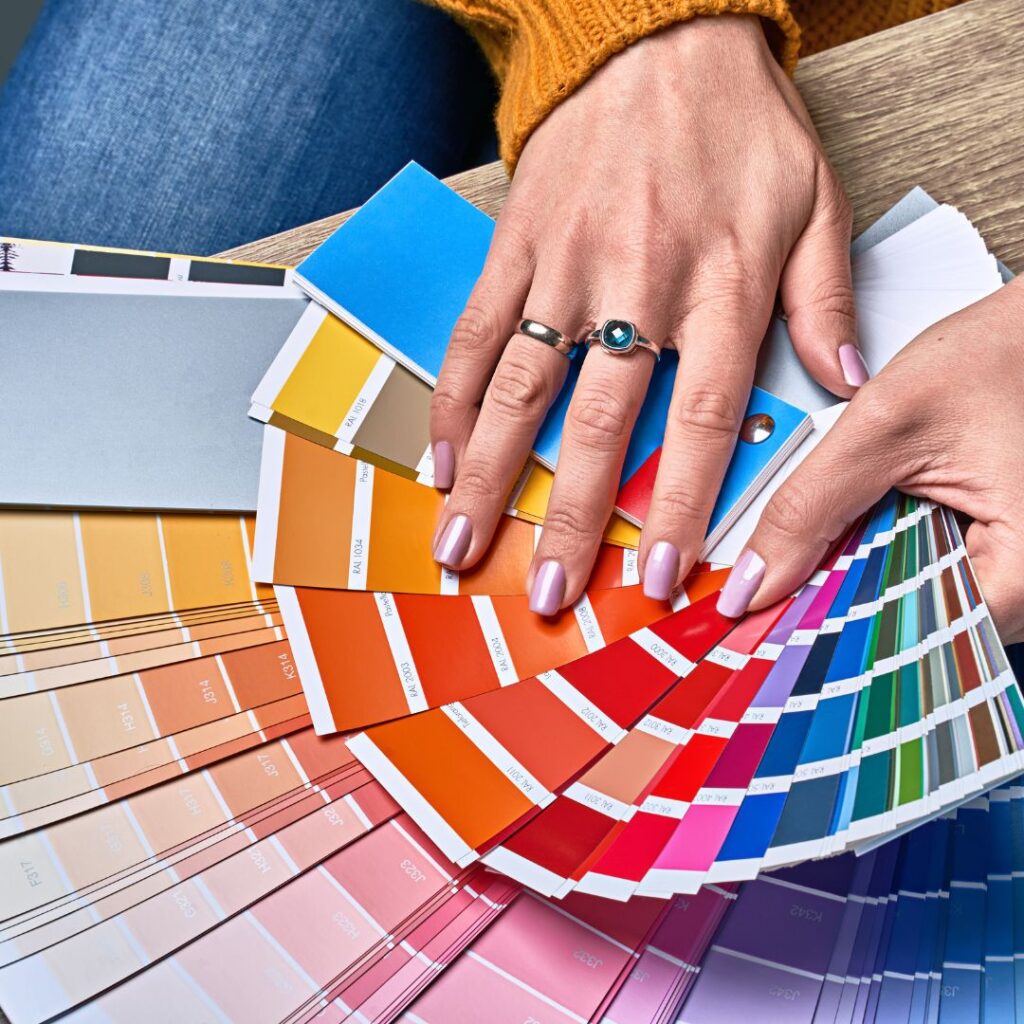
Chikankari’s famous shadow effect requires the right canvas. The work is traditionally done on lighter fabrics that allow the intricate stitches to shine.
Common Fabrics Used:
- Soft Cotton: The original choice, often embroidered with thick white cotton thread.
- Sheer Fabrics: Pure georgette, chiffon, silk, and chanderi are favoured because their textures make it easier for the needle to pierce through while providing a delicate drape.
Evolution of the Craft: While classic Chikankari is known for its white-on-white elegance, modern trends incorporate coloured and silk threads. Furthermore, the craft is now often paired with other embellishments, such as Mukaish work, where thin metallic wires are inserted and twisted to create shimmering patterns across the fabric.
Step 2: Pre-Preparation (The Block Printing Stage)
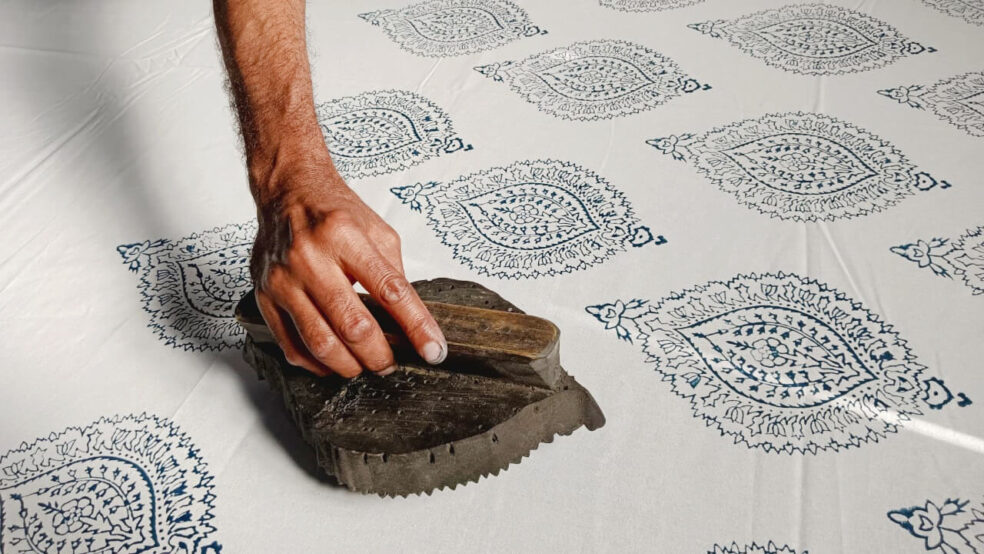
The process begins with preparing the fabric for the needlework. This is handled by a specialized group of artisans in Lucknow.
- Design Selection: The design (often floral patterns and Mughal-inspired motifs, reflecting the Persian aesthetic) is first engraved onto a wooden block stamp. Separate blocks are used for butis (small motifs), floral patterns, and borders.
- Printing: The wooden block is dipped in a colour solution made of glue and indigo dye.
- Transfer: The artisan then precisely block prints the design onto the plain fabric. This blue outline serves as the temporary map for the embroiderer.
Once printed, the fabric is ready for the delicate needlework.
Step 3: The Heart of the Craft (The Embroidery Stage)
This is where the magic of hand embroidery takes place, turning the simple printed lines into a work of art.
- Fixing the Fabric: The printed fabric is tightly fixed in small sections within a circular wooden frame called an ‘Adda’. This keeps the fabric taut, ensuring the stitches are clean and uniform.
- Needlework: The skilled craftsman uses a needle and thread to follow the printed design. The stitch selection is crucial and is determined by the motif type, size, and the specific region of the fabric being worked on.
- The 30+ Stitches: Chikankari involves over 30 different stitches, each providing a unique texture. Some of the most commonly used stitches include:
- Tepchi (long running stitch)
- Bakhiya (shadow work)
- Hool (eyelet)
- Jali (net stitch)
- Phanda (millet shape knot)
- Murri (French knot)
A single garment often incorporates several of these different stitches to create depth and intricacy.
Step 4: Post-Preparation (Washing and Finishing)
After the intricate embroidery is finished, the fabric is cleaned to reveal the pure white (or coloured) thread work.
- Removing the Guide: The fabric is soaked in water and thoroughly washed to completely remove the blue indigo guide colour used in the block printing stage.
- Finishing: The fabric is then starched and ironed to give it a crisp finish and the desired stiffness.
The garment is now ready for sale, a true testament to the skill and patience of the Lucknow artisans.
Maintenance for Longevity
To ensure your Vintage Chikankari remains an heirloom piece, remember these maintenance tips:
- Washing: Your garment should ideally be dry cleaned or hand-washed. Silk Chikankari requires dry cleaning, while cotton can generally be carefully hand-washed.
- Storage: It is always better to roll your Chikankari outfits rather than folding them in your cupboard. Folding can create creases that may distort the embroidery over time.
The love for Chikankari, with its rich history and delicate execution, is never going to fade. By understanding the effort that goes into each piece, you cherish it that much more.
0 comments